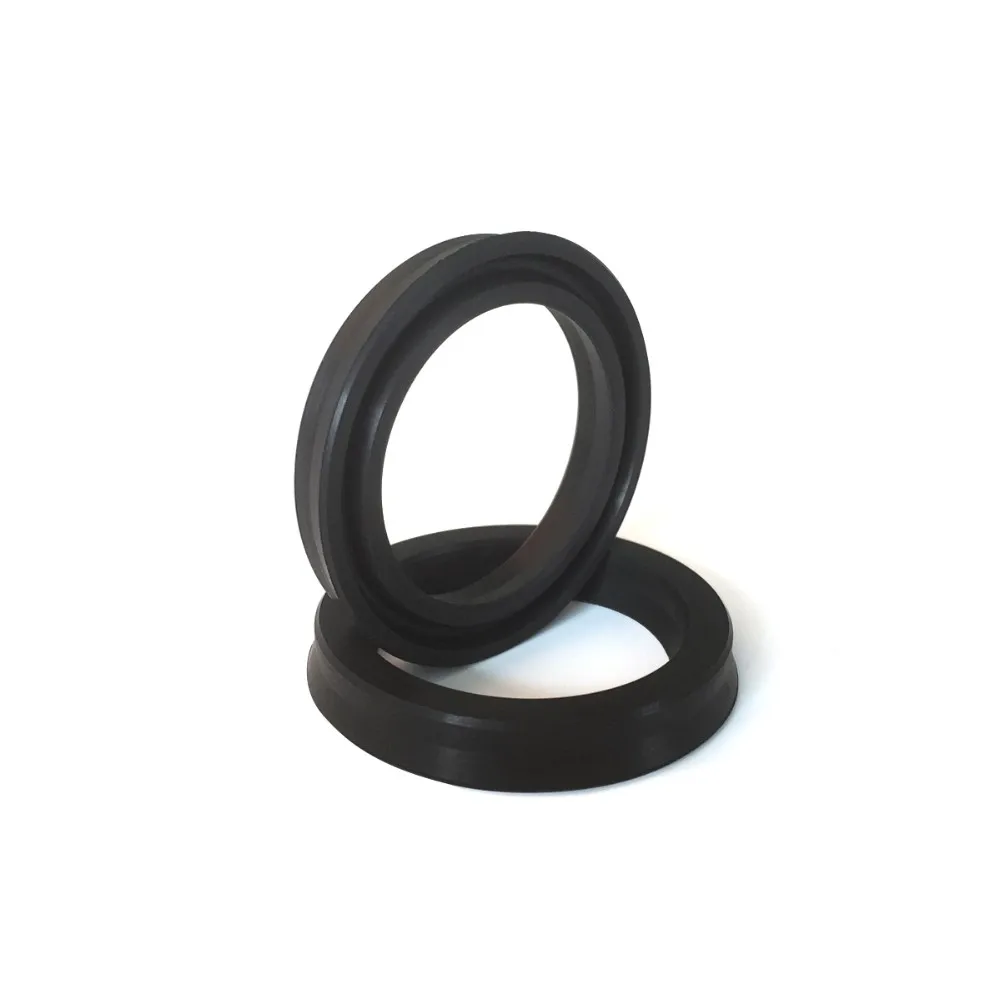
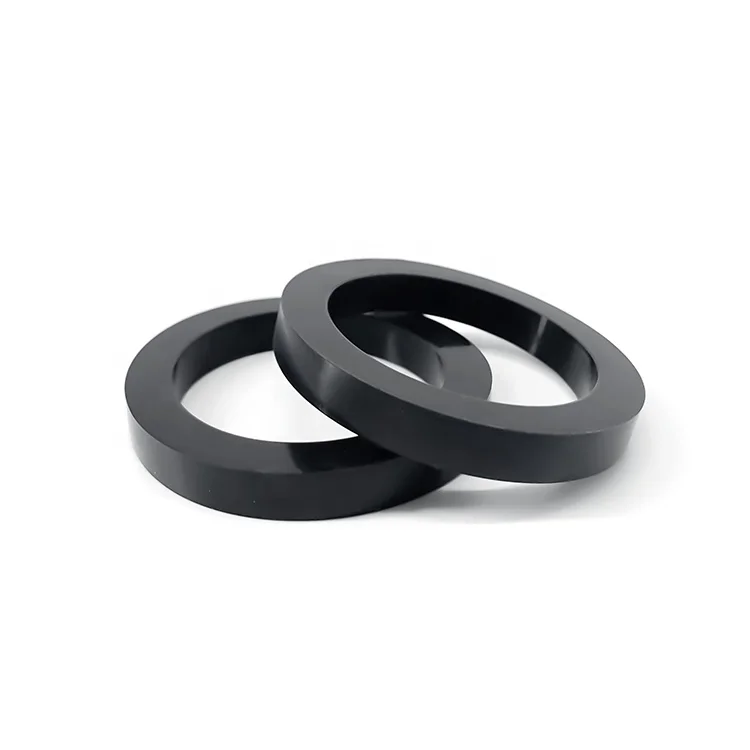
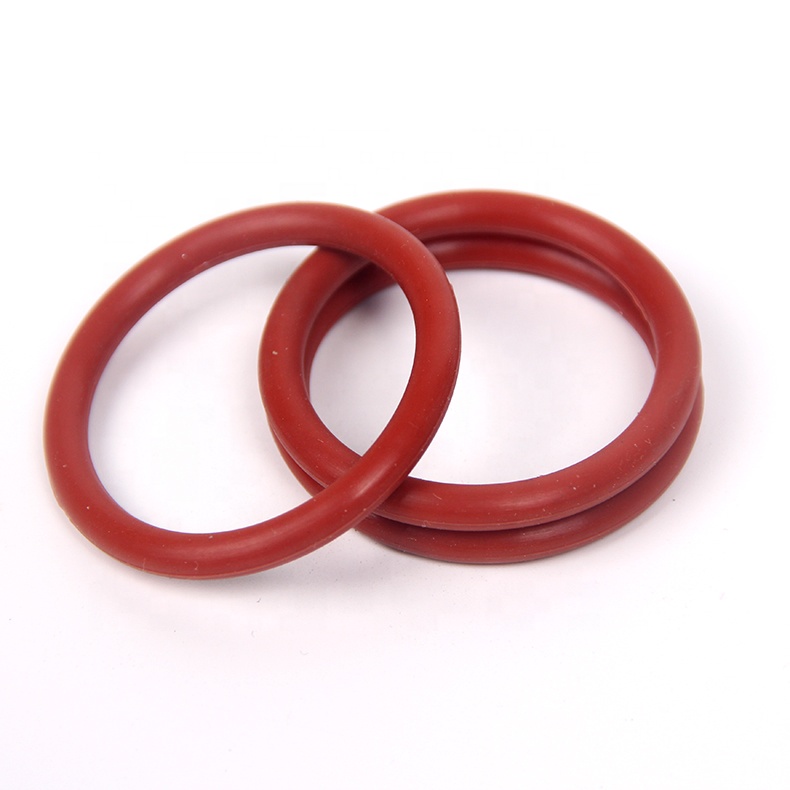
In fact, compression molding vulcanization is the process of placing a rubber material or unfinished semi-finished product into a model (mold) and then subjecting it to pressure and heating, which is known as compression molding vulcanization phenomenon. The main method for producing seals is through compression molding, and the vulcanization methods for molded products mainly include flat plate compression molding, transfer compression molding, and injection compression molding. The flat plate molding method has a long history, while transfer molding began to be used around the 1950s, and injection molding gradually entered the rubber industry from the plastic industry since the 1960s. The current development trend is to gradually develop the injection pressure method, but due to different scopes of adaptation. According to its characteristics, flat plate molding is still the main molding method for seals.
In the process of molding vulcanization, the sealing environment must strictly and correctly control the temperature, time, and pressure of vulcanization, and pay attention to the changes in temperature and other parameters during the vulcanization process at all times, and take corresponding measures, otherwise it will cause the product to be under sulfurized or over sulfurized. If an automatic control system is used, the entire vulcanization process will be automatically recorded and controlled to ensure that the product reaches the vulcanization level.
The vulcanization temperature is one of the basic conditions for the vulcanization reaction of seals, which directly affects the vulcanization rate and product quality. The vulcanization temperature, speed, and production efficiency of seals depend on the formula, with the most important factors being the type (material) of rubber and the vulcanization system used. The suitable vulcanization temperature for natural rubber seals is generally between 100 ℃ and 150 ℃, while synthetic rubber seals are generally between 150 ℃ and 200 ℃. The vulcanization time is usually determined through experiments based on a predetermined vulcanization temperature.